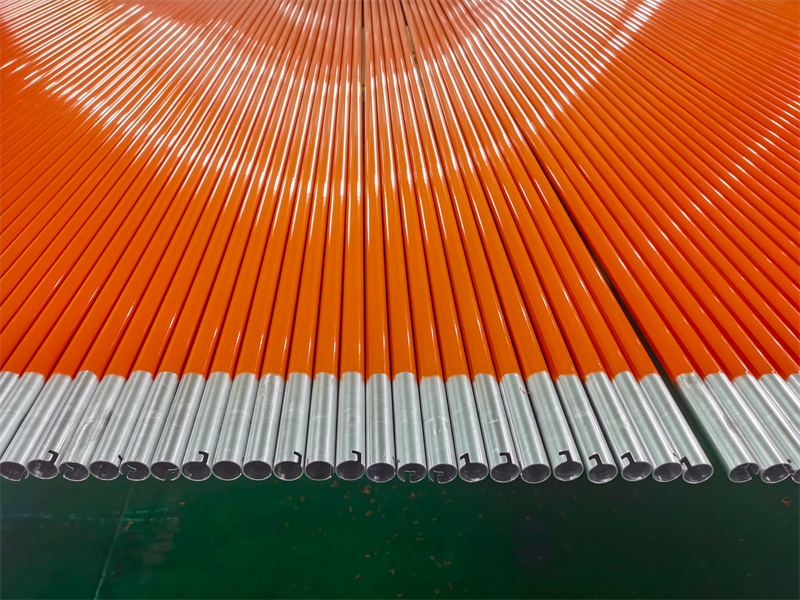
3003 is an AL Mn alloy, which is the most widely used rust proof aluminum. This alloy has low strength (slightly higher than industrial pure aluminum) and cannot be strengthened by heat treatment. Therefore, cold working method is used to improve its mechanical properties: it has high plasticity in the annealed state, good plasticity in semi cold work hardening, low plasticity in cold work hardening, good corrosion resistance, good weldability, and poor machinability. The main use is for low load parts that require high plasticity and good weldability, such as oil tanks, gasoline or lubricant conduits, various liquid containers, and other low load parts made by deep drawing. The wire is used to make rivets. 3003 Aluminum Plate has good formability, solubility, and corrosion resistance. Used for processing parts and components that require good formability, high corrosion resistance, and good weldability, or work that requires both these properties and higher strength than 1XXX series alloys, such as kitchenware, food and chemical product processing and storage devices, tanks and cans for transporting liquid products, various pressure vessels and pipelines processed with thin plates, general objects, heat sinks, cosmetic plates, copier drums, and ship materials.
Foshan Golden Source Precision producing wide range of aluminum machining parts and welded articles. Now we are producing tubes in 3003 aluminum alloy for some automobile factories. 3003 alloy can make extrusions in various shapes.
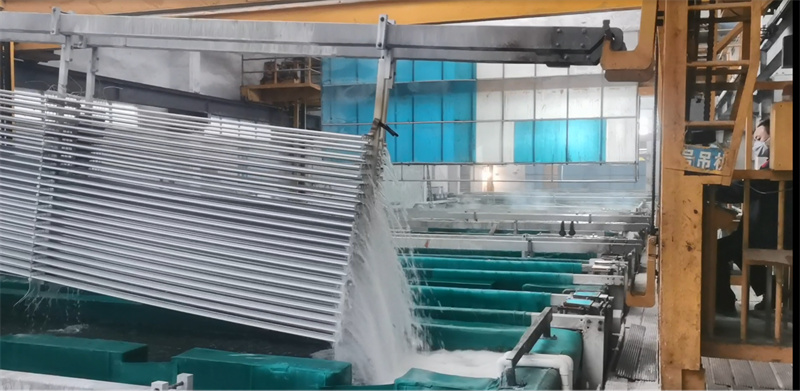
The anodizing of aluminum is an electrolytic oxidation process, in which the surface of aluminum and aluminum alloys is usually transformed into an oxide film, which has protective, decorative, and other functional characteristics. The anodizing of aluminum based on this definition only includes the process of generating an oxide film.
Using metal or alloy components as anodes, an oxide film is formed on their surface through electrolysis. Metal oxide thin films alter the surface state and properties, such as surface coloring, improving corrosion resistance, enhancing wear resistance and hardness, and protecting metal surfaces. For example, aluminum anodizing involves placing aluminum and its alloys in corresponding electrolytes (such as sulfuric acid, chromic acid, oxalic acid, etc.) as anodes, and conducting electrolysis under specific conditions and applied current. The oxidation of aluminum or its alloys on the anode forms a thin layer of aluminum oxide on the surface, with a thickness of 5-30 microns. The hard anodic oxide film can reach 25-150 microns. After anodizing, aluminum or its alloys have improved their hardness and wear resistance, reaching up to 250-500 kg/square millimeter. They have good heat resistance, a hard anodized film melting point of up to 2320K, excellent insulation properties, and a breakdown voltage resistance of up to 2000V, enhancing their corrosion resistance. They do not corrode after thousands of hours in ω=0.03NaCl salt spray. The thin layer of oxide film contains a large number of micropores, which can adsorb various lubricants and are suitable for manufacturing engine cylinders or other wear-resistant parts; The membrane micropores have strong adsorption capacity and can be colored into various beautiful and vibrant colors. Nonferrous metals or their alloys (such as aluminum, magnesium, and their alloys) can be subjected to anodizing treatment, which is widely used in mechanical parts, aircraft and automotive components, precision instruments and wireless equipment, daily necessities, and building decoration.
Generally speaking, aluminum or aluminum alloy is used as the anode, while lead plate is selected as the cathode. Aluminum and lead plate are placed together in an aqueous solution containing sulfuric acid, oxalic acid, chromic acid, etc. for electrolysis, forming an oxide film on the surface of the aluminum and lead plate. Among these acids, the most widely used is anodizing with sulfuric acid.
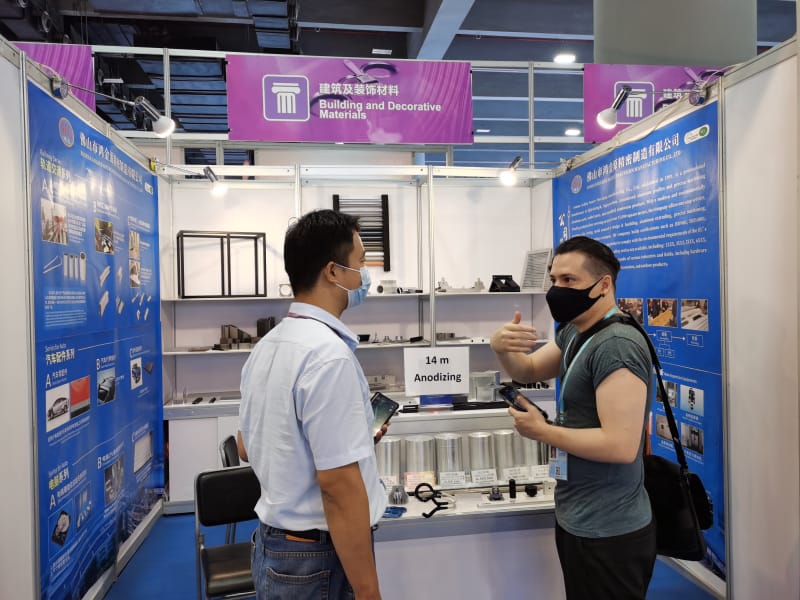
Foshan Golden Source Precision producing wide range of aluminum machining parts and welded articles. We have 4-meter anodizing tanks, 7-meter anodizing tanks, 14-meter anodizing tanks and we can handle profiles with a max length of 12 meters. Normal anodizing fishes are: natural silver anodize, clear anodize, bright dip anodize, black anodize, bronze anodize, grey anodize. Relative surface treatment are: polishing, brush, sandblast. All these finishes are handled in house.
6101 aluminum alloy is a versatile material that is popular in various industries due to its unique composition and superior properties. This article aims to provide an overview of 6101 aluminum alloy, including its composition and its advantages in different applications.
6101 aluminum alloy is a wrought alloy consisting primarily of aluminum, with small amounts of magnesium and silicon added. The precise composition of 6101 aluminum alloy typically includes 97.9% aluminum, 0.6% silicon, and 0.4% magnesium, along with other assistant elements. This specific composition gives 6101 aluminum alloy unique properties, making it suitable for a wide range of applications. (Detailed composition of 6101 alloy: Si:0.30~0.7, Fe:≤0.50, Cu:≤0.10, Mn:≤0.03, Mg:0.35~0.8, Cr:≤0.03, Zn:≤0.10, B:≤0.06, Ti:— )
One of the main advantages of 6101 aluminum alloy is its excellent electrical conductivity. With an electrical conductivity of approximately 56% IACS (International Annealed Copper Standard), 6101 aluminum alloy is commonly used in power transmission and distribution applications. Its high electrical conductivity makes it ideal for manufacturing electrical conductors, busbars, and other components that are critical to efficient power transmission.
6101 aluminum alloy also has good mechanical properties. It has high tensile strength and excellent formability, so it can be easily formed and made into a variety of components. This makes 6101 aluminum alloy suitable for applications that require both electrical conductivity and structural integrity, such as the construction of electrical enclosures, heat sinks, and busbar systems.
Meanwhile, 6101 aluminum alloy has good corrosion resistance, especially in atmospheric environments. This corrosion resistance, coupled with its light weight, makes it a top choice for outdoor applications where exposure to moisture and other environmental factors is a concern. What is more, 6101 aluminum alloy is easily extruded, welded, and machined, further enhancing its versatility and usability in different manufacturing processes.
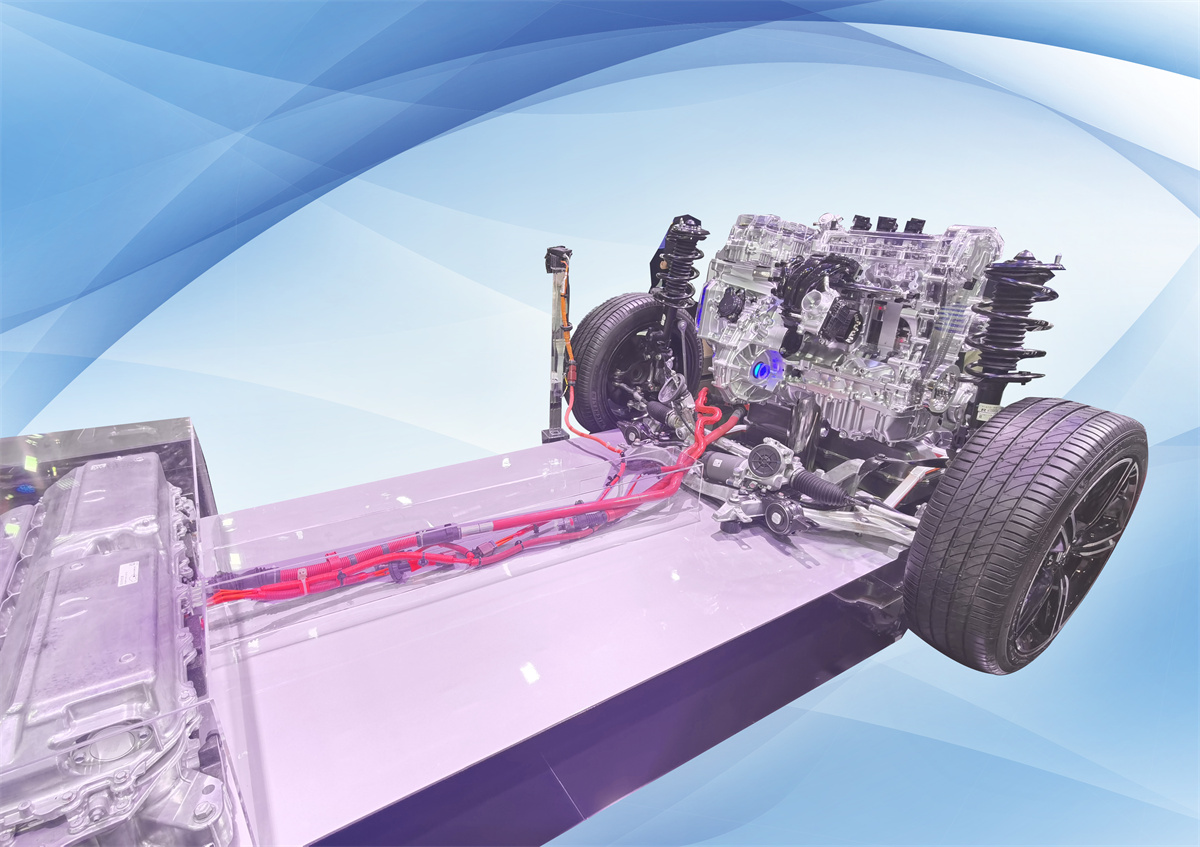
Foshan Golden Source Precision producing wide range of aluminum machining parts and welded articles. Now we are producing 6101 extrusions for Toyota, Honda. Our 6101 products are used for electric cars.
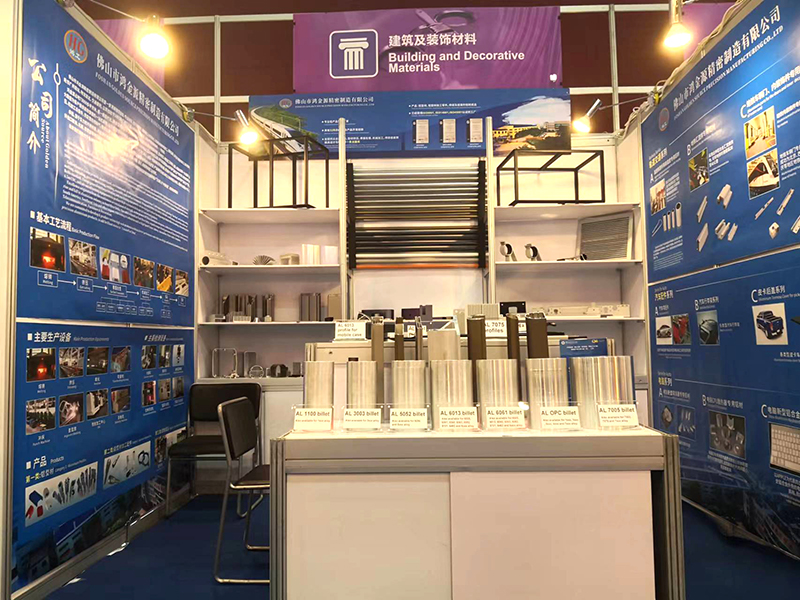
Foshan Golden Source Precision Manufacturing Co., Ltd., a leading aluminum product factory, shew its innovative range of Aluminum Frames, brackets, tubes, profiles, clamps and climbing tools at the 136th Canton Fair, attracting the attention of industry professionals and potential customers.
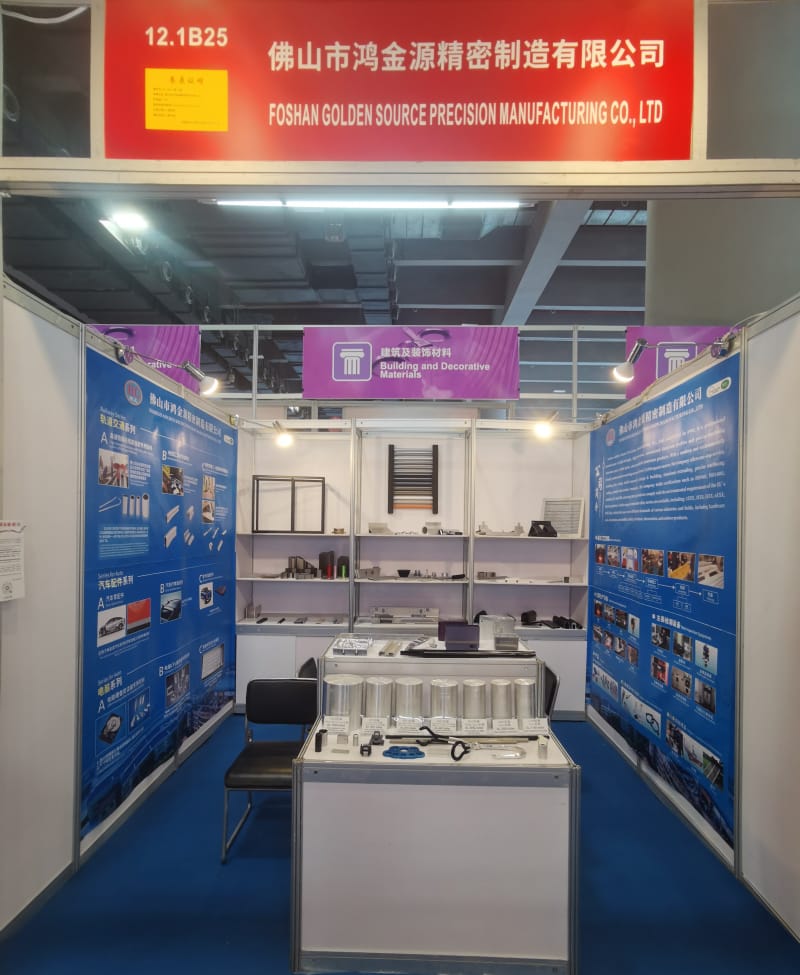
The 136th Canton Fair held in Guangzhou, China, provided a platform for Foshan Golden Source Precision to show its typical and new products. The company’s booth 12.1B25 at the fair attracted a steady stream of visitors, including buyers, distributors, and industry experts, all eager to explore the latest products in the field of aluminum manufacturing.
Foshan Golden Source Precision demonstrated its extensive expertise in producing high-quality aluminum products to meet the needs of different industries and applications at the exhibition. The company’s aluminum frames are known for their durability and versatility, attracting the attention of construction professionals and architects seeking reliable and beautiful building materials.
In addition, the racks and tubes displayed by Foshan Golden Source Precision at the exhibition also highlighted the company’s commitment to meeting the diverse needs of customers. The company’s aluminum racks and tubes focus on precision machining and excellent craftsmanship, and are very suitable for household, office, logistics, transportation and industrial warehousing solutions.
The company exhibited profiles and fixtures further demonstrated its commitment to providing tailor-made solutions for a wide range of industries. From automobile to aerospace, Foshan Golden Source Precision’s Aluminum Profiles and clamps meet strict quality standards and performance requirements, making them the first choice for discerning customers.
In addition to its core products, Foshan Golden Source Precision also displayed a range of mountaineering tools at the exhibition to meet the needs of outdoor sports enthusiasts, professional climbers and adventure sports lovers.
Foshan Golden Source Precision’s participation in the 136th Canton Fair has been very well received, demonstrating the company’s position as a trusted leader in the aluminum manufacturing industry. With a strong focus on innovation, quality and customer satisfaction, the company continues to set new standards of excellence in this field.
Speaking on the company’s successful presentation at the exhibition, Ms. Tan, the general manager of Foshan Golden Source Precision Manufacturing Co., Ltd., expressed her gratitude to the visitors and customers who shew great interest in the company’s products. She stressed that the company is steadfast in its commitment to provide superior aluminum solutions to meet the evolving needs of customers in different fields.
Looking ahead, Foshan Golden Source Precision will continue to strive to push the boundaries of aluminum manufacturing, utilizing advanced technologies and sustainable practices to create products that not only meet industry expectations, but exceed them. With a focus on continuous improvement and customer-centric innovation, the company is poised to further enhance its position in the global market.
The 136th Canton Fair fully demonstrated Foshan Golden Source Precision’s position as a pioneer in the aluminum extruding & machining industry, shew its comprehensive product range and relentless pursuit of excellence. As the company continues to expand its influence, it remains committed to drive positive change and setting new standards for industry quality and innovation.
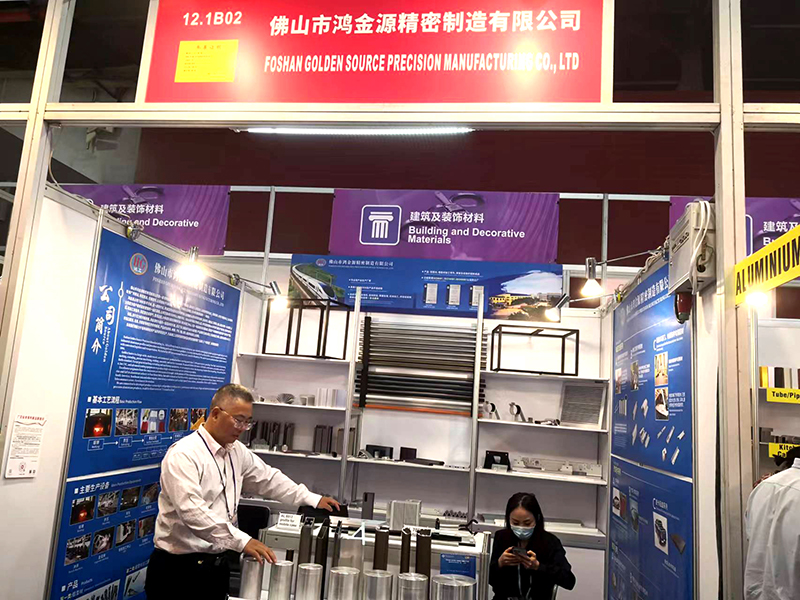
After Covid 19, the second off-line Canton fair session-Autumn Canon fair of 2023 was held during Oct 15 to 30. Foshan Golden Source’s booth No is 12.1B02 in building &decorating material pavilion and had fruitful success.
During this session of the Canton Fair, exhibits including new products, new technologies, and new materials have gained wide recognition from foreign buyers.Therefore, it was a very productive show event.
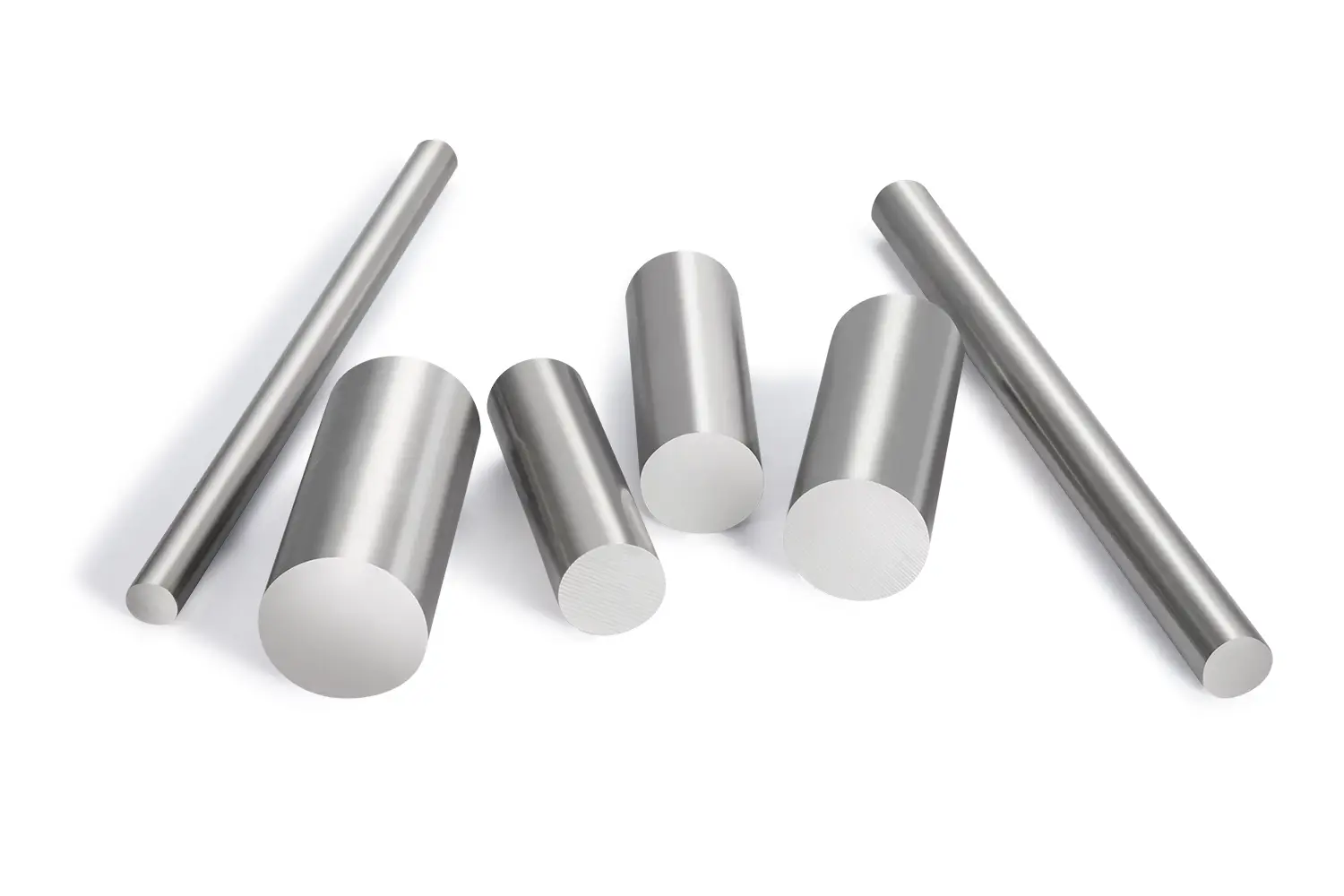
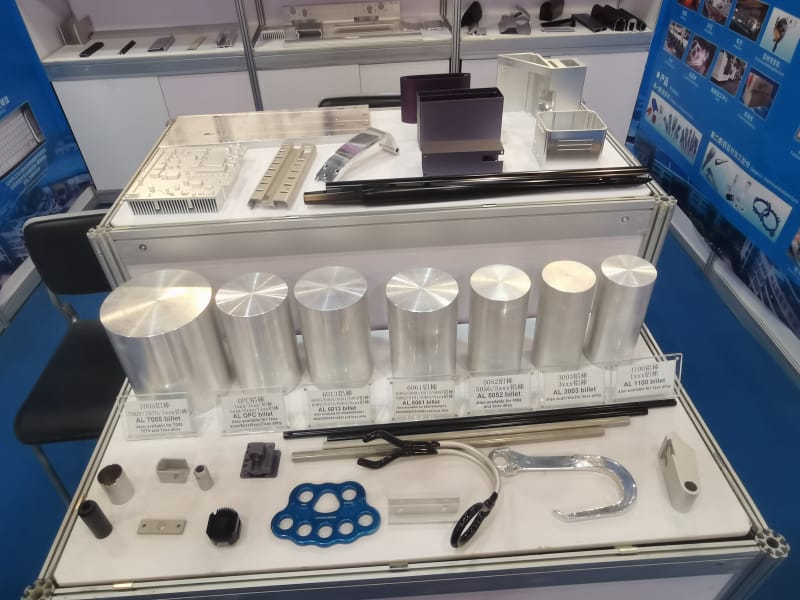
As a factory with one-stop manufacturing capability, Foshan Golden Source had wide range of aluminum products. On this show, we mainly shew some promotional products, such as aluminum billets in 1xxx, 3xxx, 5xxx, 6xxx, 7xxx Alloy, DIY frames for shower room cabinets, kitchen cabinet parts, heat sinks, high precise Aluminum Profiles, home appliances parts, gate door parts, tubes, train door parts, handle for alpenstock.
On this session, a lot visitors came, 20% more than spring session. Our booth was crowded during Oct 21 to 24. Most of the clients were from Australia, Asia, Middle East, Europe, South America. We totally received 120 business cards from clients, and there are also some clients who added wechat and whatsapp. During the show, about 10 new clients visited our factory. In addition, about 8 old friends arrived at our booth and placed new orders. Especially, our special alloy products, such as 3003, 7075 articles were attractive to visitors.
My General manager, Ms Tan said: “this session Canton fair increased our confidence to attend more fairs in the future. Tool & hardware show, building material show, Aluminum show, Furniture parts show will be our interests.”“Developed countries, Middle East, South Africa, South America will be the market for us to empolder”, she continued. Taking this chance, we discussed on how to enter into more markets and what products were to be promoted.
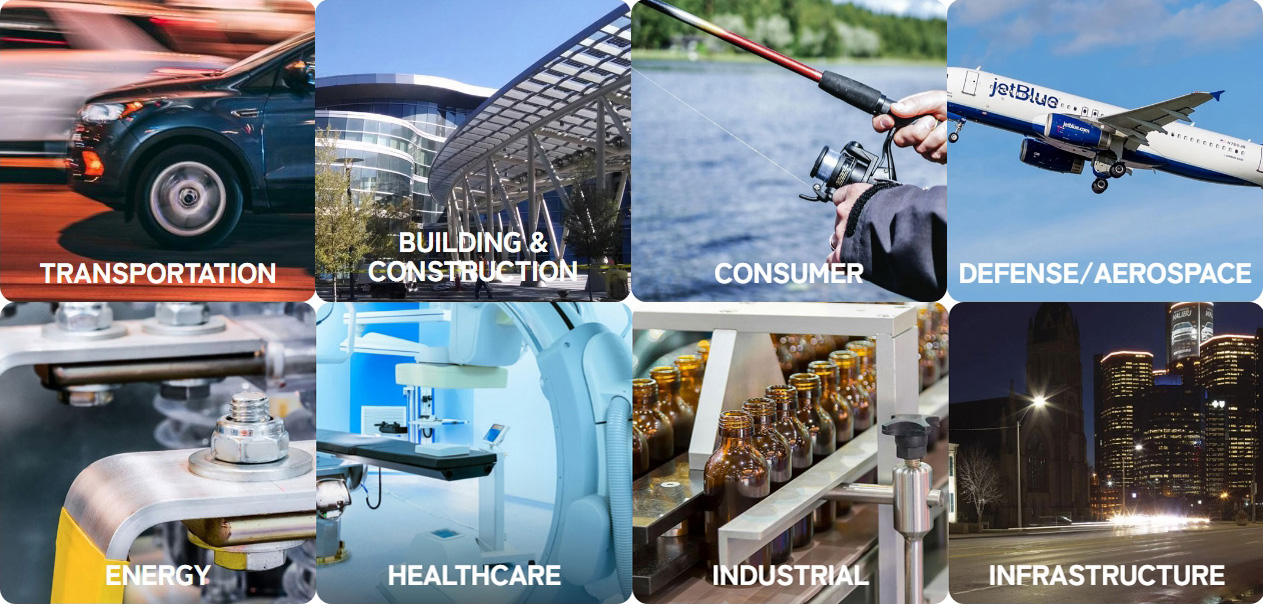
Extrusions are everywhere – at home in windows, doors, railings, appliances…on the road, on the water and in the air…at work or school…at the gym, the playground, the stadium, the supermarket, the doctor’s office. You will find myriad uses for aluminum extrusions in a variety of markets.To learn more about the many attributes of aluminum extrusions, get a high-level overview of the aluminum extrusion process, discover some of the do’s and don’ts of profile design and much more, visit the AEC Webinars page for a list of educational webinars AEC has conducted. And check out the AEC Library for other design and educational resources. Aluminum extrusions are common in many industries, including:
ALUMINUM EXTRUSIONS IN TRANSPORTATION
Around the globe, engineers are scrambling to design tomorrow’s vehicles – the autos, trucks, trailers, busses, rail cars and planes that will move people and goods more efficiently and with diminished impact on our world’s ecology.
Globally, transportation is responsible for nearly 25% of CO2 emissions, through both vehicle usage and construction. In the U.S., transportation consumed 27% of our energy in 2021. Substantially reducing transportation’s energy use, and attendant greenhouse gas emissions is an imperative.
Aluminum extrusions are giving vehicle engineers a critical tool for the development of the more efficient vehicles needed for tomorrow. In conventional gas- or diesel-powered vehicles, every pound of aluminum that replaces two pounds of steel can save 3.1 gallons of crude oil and 20 pounds of CO2 emissions over the vehicles lifetime. And in battery powered vehicles—or BEVs—that weight reduction can extend range.
But there is more to extrusions’ role in transportation than increasing fuel efficiency or battery range. Extrusions offer vehicle designers the ability to combine multiple functions in one part, reducing build cost and complexity. And their ability to absorb crash energy—twice as much as steel—provides protection for occupants … and batteries.
Aluminum extrusions provide corrosion-resistant components, helping to extend vehicle life and reduce maintenance cost, and at the end of that vehicle’s life, the extrusion-based components are fully recyclable, with studies showing that over 90% are, in fact, recycled. For all these reasons, extrusion usage has increased from an average of about 25 pounds per North American light vehicle 10 years ago to nearly 50 pounds in 2021. And usage is continuing to grow.
ALUMINUM EXTRUSIONS IN INDUSTRIAL APPLICATIONS
Aluminum extrusions’ lightweight strength makes them ideal for robotics, linear motion devices and other automated applications, as the mass to be moved is minimized and precise complex shapes can be easily created. Precise extruded tubing is used in hydraulics, and aluminum’s high thermal conductivity makes extrusion-based heat sinks essential in removing heat from a variety of devices, from lighting to computers to cryogenics.
The extruded component assembly pictured at right is used in conjunction with a steam/water level gauge that replaces a prior stainless steel sheet metal enclosure. The new extruded design allowed for: Reduced lead times ,Elimination of welds,Increased surface area through incorporation of cooling fins at minimal cost,Cost reduction by 40% ,More aesthetically pleasing design.